The Complete Guide to Retinol: Benefits, Side Effects & How to Start (Without Freaking Out Your Skin)
If you’ve spent more than five minutes in the skincare world, you’ve probably heard the word retinol thrown around like it’s the Beyoncé of beauty. And honestly? It kind of is.
But what is retinol, why does everyone swear by it, and how do you start using it without turning into a flaky tomato? Let’s break it down - fun, simple, and zero science-degree required.
First things first: What even is retinol?
Retinol is a form of vitamin A - aka a total overachiever when it comes to skin. It works by speeding up your skin cell turnover (basically helping your skin shed old, dull cells and replace them with fresh, glowy ones).
Think of it as a personal trainer for your face - encouraging your skin to behave younger, smoother, and clearer.
The glow-up: Benefits of retinol
Here’s why retinol has earned its “holy grail” status:
1. Smooths fine lines & wrinkles
Retinol boosts collagen production (the stuff that keeps skin plump and bouncy), helping soften lines over time.
2. Clears acne & unclogs pores
It keeps pores from getting congested - great for breakouts and blackheads.
3. Fades dark spots & pigmentation
Uneven skin tone? Retinol helps brighten and even things out.
4. Improves texture & radiance
Say goodbye to dull, rough skin - hello smooth, glowy vibes.
5. Overall skin reset
Basically, it helps your skin function like it did in its younger years.
Not bad for one ingredient, right?
The not-so-glam side: Side effects
Okay, real talk - retinol can be a bit dramatic at first.
When you start using it, you might experience:
- Dryness or flakiness
- Redness or irritation
- A temporary breakout (aka the “retinol purge”)
This happens because your skin is adjusting to faster cell turnover. It’s normal - and usually temporary.
Also important: retinol makes your skin more sensitive to the sun, so SPF is non-negotiable.
How to start retinol (the right way)
If there’s one rule: start slow. Seriously. Here’s your beginner-friendly game plan:
Step 1: Use it at night only
Retinol doesn’t love sunlight, and your skin will be more sensitive.
Step 2: Start 2–3 times a week
Give your skin time to adjust - this reduces irritation.
Step 3: Use a pea-sized amount
More is NOT better here.
Step 4: Moisturise like your life depends on it
Hydration = less irritation.
Step 5: Wear SPF every single day
No exceptions. Retinol + sun without SPF = bad idea.
What NOT to mix with retinol
To avoid a skincare meltdown, don’t use retinol at the same time as:
- AHAs/BHAs (like glycolic or salicylic acid)
- Benzoyl peroxide
- Strong exfoliants
Instead, keep things simple and soothing.
Retinol top picks
Ready to dive in? Here are some beginner-to-intermediate friendly options:
For beginners (gentle & hydrating):
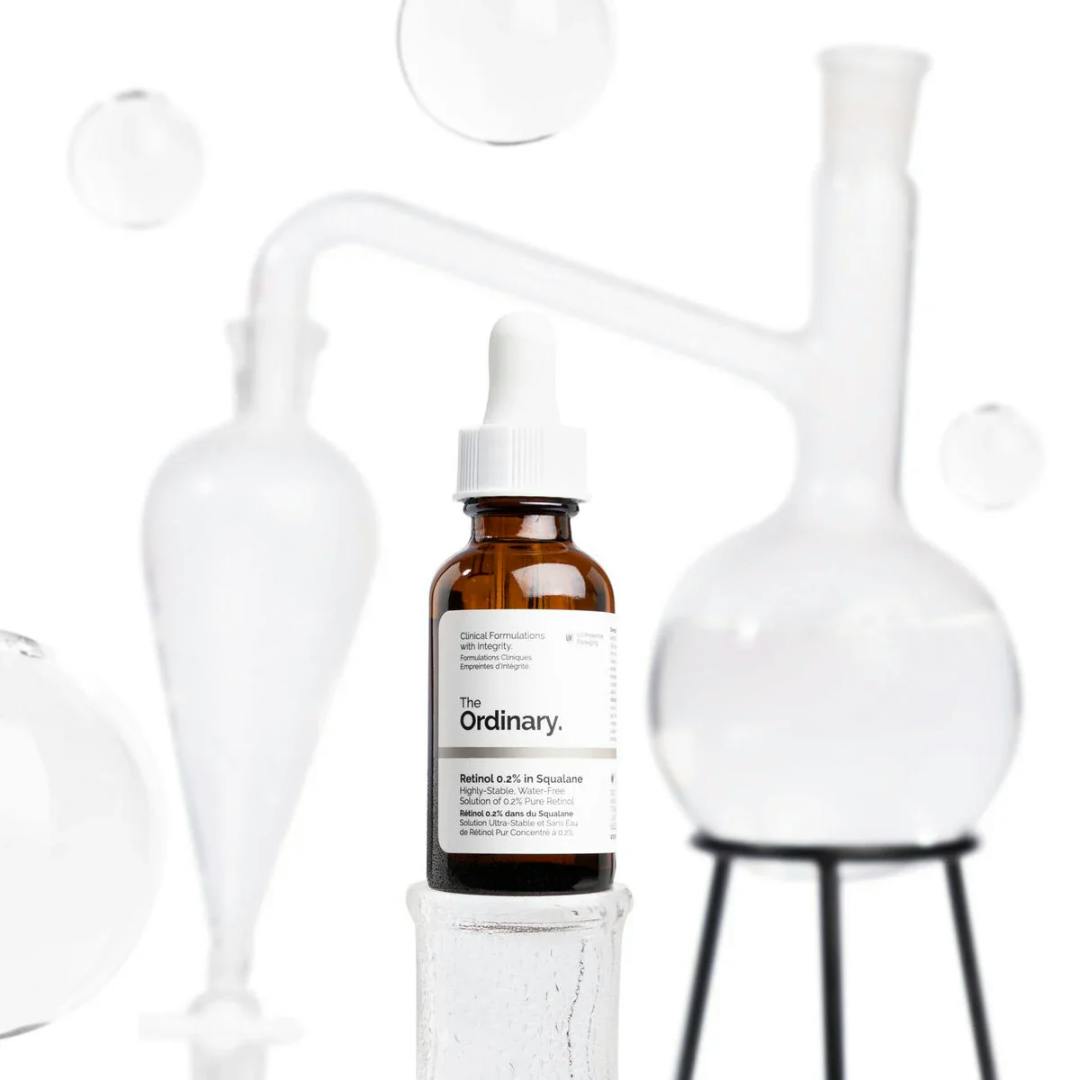
- The Ordinary Granactive Retinoid 2% Emulsion - super beginner-friendly and budget-conscious
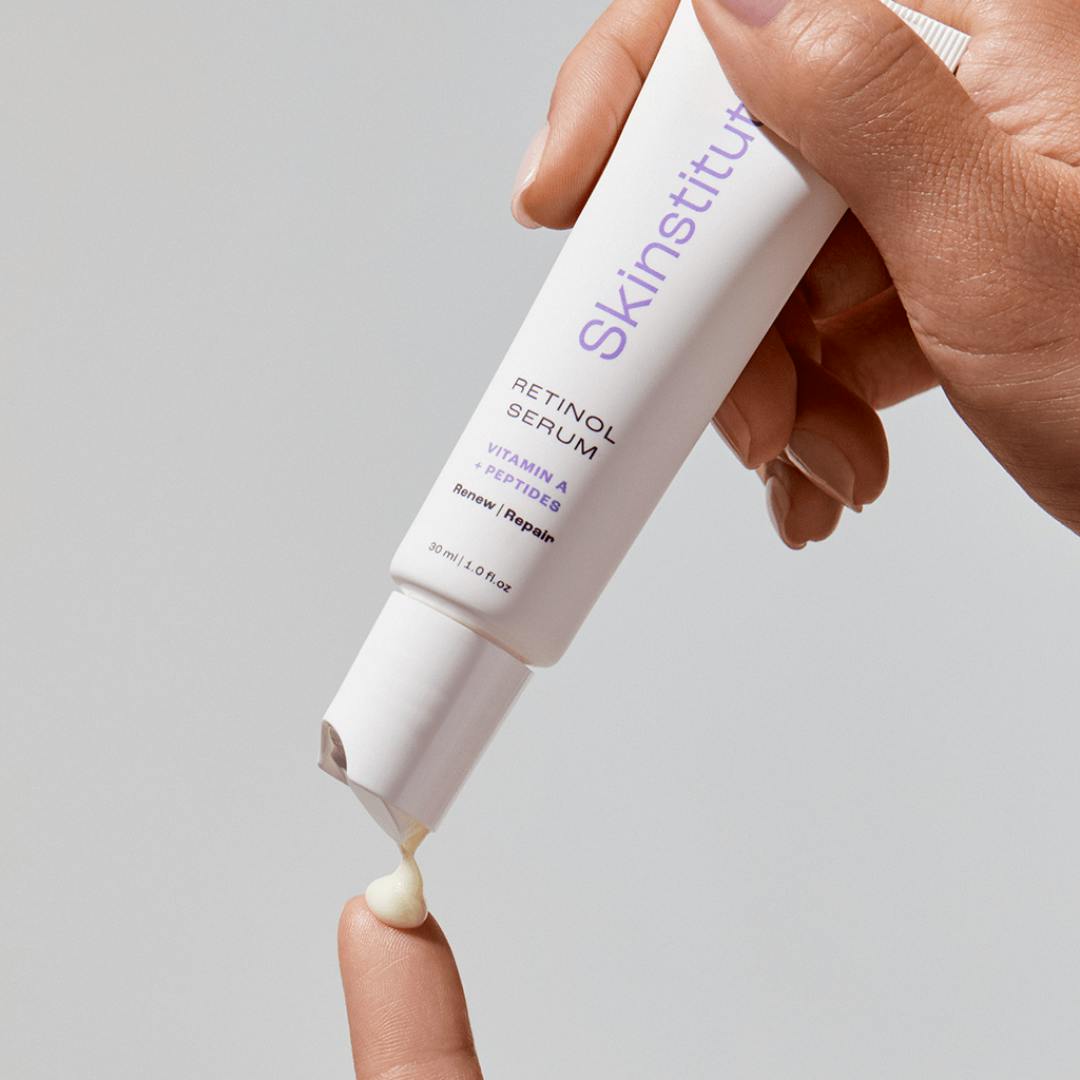
- Skinstitut Retinol Serum - a beginner-friendly 0.25% retinol that helps smooth, brighten and target breakouts while still being gentle enough to ease into
For glow + anti-ageing:
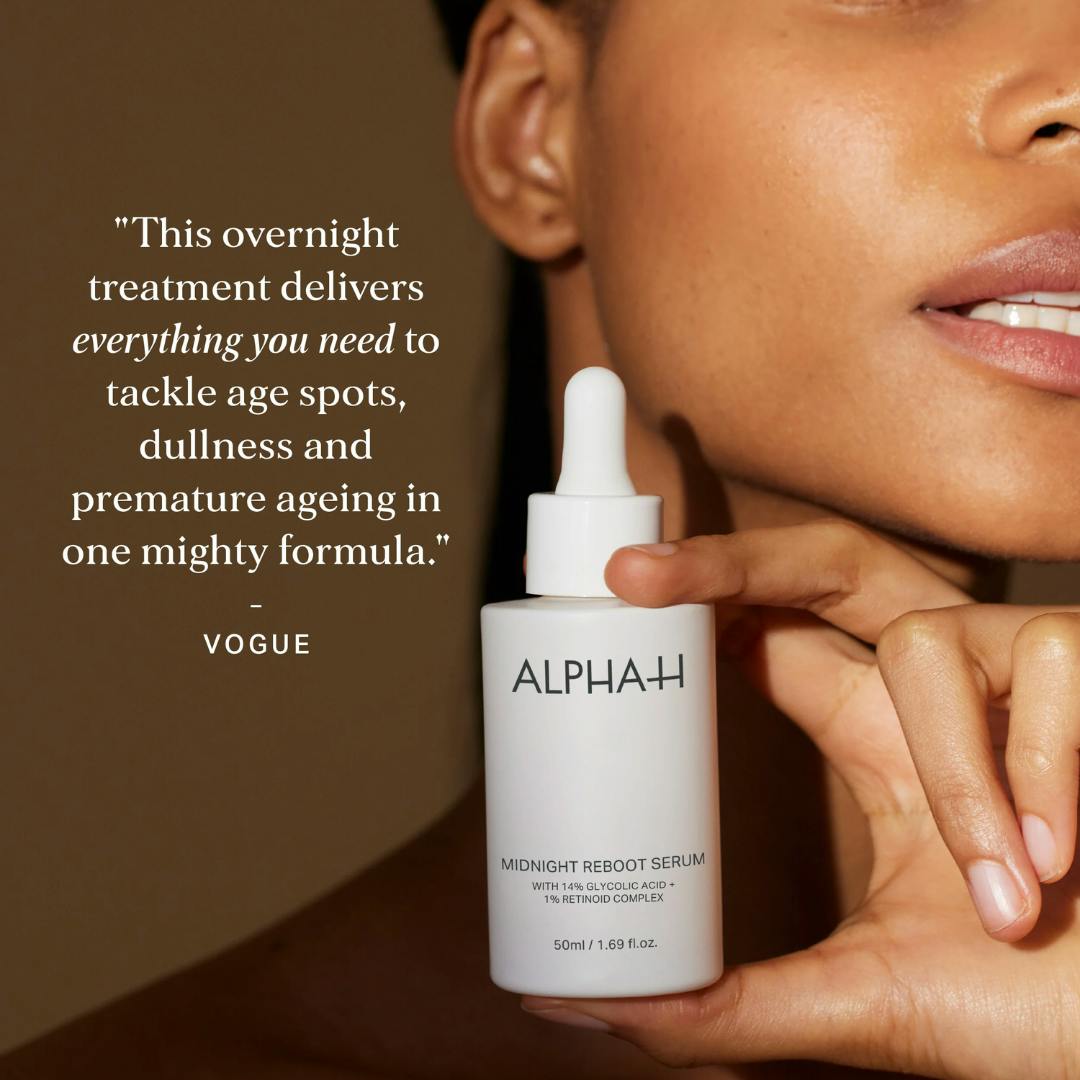
- Alpha-H Midnight Reboot Serum - combines retinol with gentle exfoliation
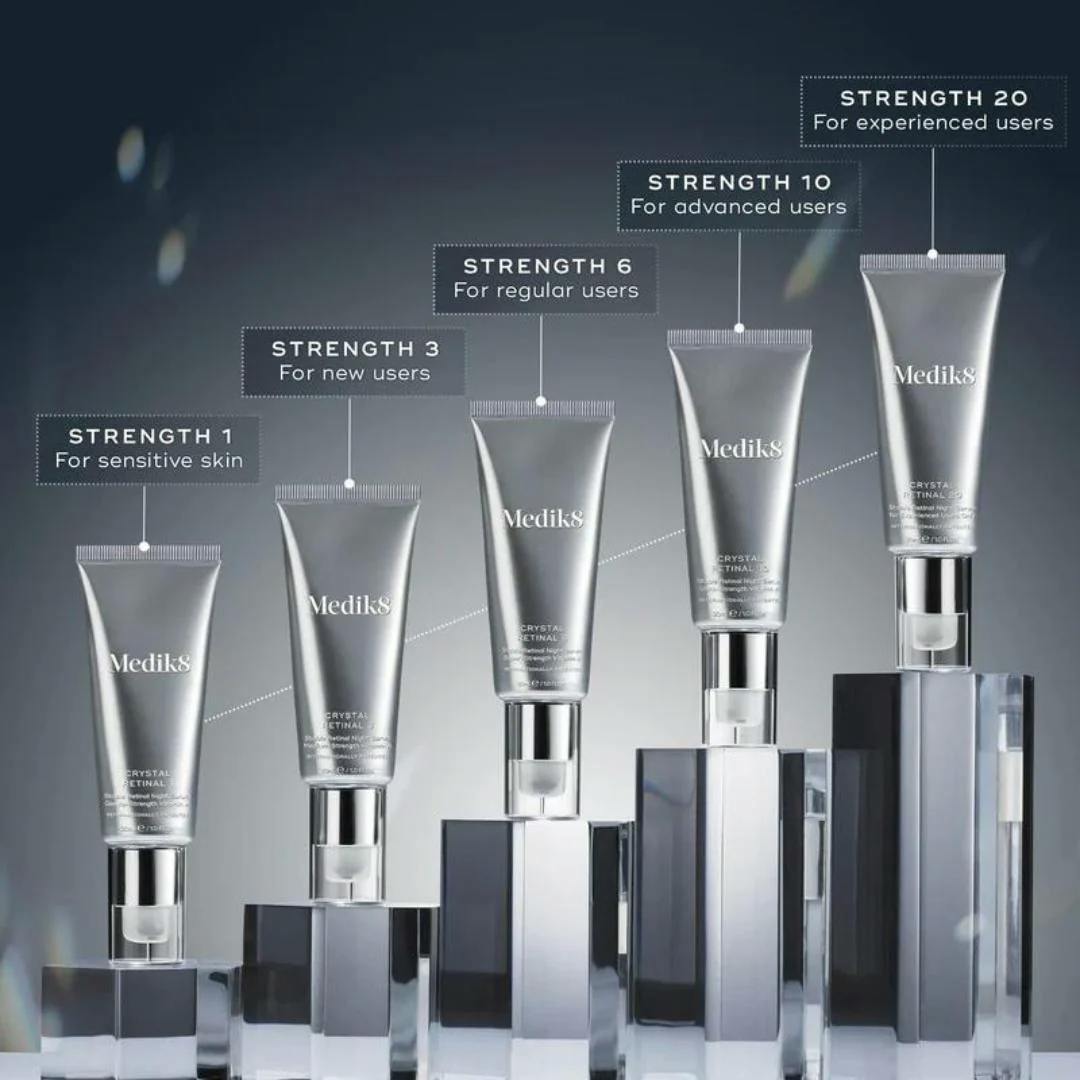
- Medik8 Crystal Retinal range - a cult favourite with different strengths to level up gradually
For luxe lovers:
- Murad Retinol Youth Renewal Serum - smooth, effective, and less irritating thanks to time-release tech
(Pro tip: always start with the lowest strength and work your way up!)
Final thoughts
Retinol isn’t an overnight miracle - but give it a few months, and your skin will thank you. Most people start seeing results in about 3–6 months with consistent use.
The secret? Patience, consistency, and a really good moisturiser.
So whether you’re tackling breakouts, fine lines, or just chasing that glow - retinol might just become your new skincare BFF.
categories
featured products