Hair Oil: How to Choose the Right One for Your Hair Type and How to Use It Without Making Hair Greasy
If you've ever tried hair oil and ended up with flat, greasy-looking strands by lunchtime, the oil probably wasn't the problem. Most people use too much, put it in the wrong place, or reach for a formula that was never suited to their hair type in the first place. Get those two things right - the product and the application - and hair oil becomes one of the easiest ways to add shine, tame frizz and protect hair from damage.
What Hair Oil Actually Does
Hair oil works in one of two ways. Some oils sit on the surface of the hair (or "seal" it), smoothing the cuticle down so light bounces off it more evenly. That's where shine comes from. Others are lightweight enough to be absorbed into the hair shaft, where they can help with elasticity, softness and resistance to breakage over time. Many of the oils sold today do a bit of both, which is why the same product can be marketed as a treatment and a finishing oil.
What hair oil is not is a substitute for conditioner or a leave-in for someone who needs serious moisture. Oil coats and smooths; it doesn't hydrate the way a water-based product does. If your hair feels dry and straw-like, the fix is usually a good mask or leave-in conditioner first, with oil layered on top to lock the moisture in and finish the look.
Hair porosity plays a part too. Low porosity hair (the cuticle sits flat and tight) tends to resist oil sitting on top of it, so a small amount goes a long way and heavier oils can look greasy fast. High porosity hair (the cuticle is rougher or more open, often from colour or heat damage) tends to absorb oil more readily and can often handle a slightly richer formula without it sitting on the surface. If you're not sure which camp you're in, dull, dry, flyaway-prone hair is usually more porous, while hair that feels smooth but never quite shines is often less porous.
Who Actually Needs Hair Oil
Almost anyone can use hair oil, but the reasons differ. If your hair is coloured, chemically treated, heat-styled often, or naturally coarse or curly, oil helps counter the dryness and roughness those things cause. If your hair is naturally fine, oily at the roots, or you colour it rarely, you probably don't need it daily - but a small amount can still be useful for taming flyaways or adding polish before an event.
The one group that should be more careful is anyone with genuinely oily scalp and roots. Oil is not the enemy here, but it needs to go nowhere near the scalp, and a lighter formula and smaller amount will matter more for you than for anyone else.
How to Choose the Right Hair Oil for Your Hair Type
The label "hair oil" covers a wide range of textures, from featherlight drops to richer, more emollient treatments. The right one depends on your hair's thickness, porosity and how much damage it's carrying.
Fine or oily hair. You want something closer to a mist than an oil, in the smallest quantity you can get away with. Kerastase Gloss Absolu Glaze Drops Hair Oil is built for exactly this - it's a lightweight formula designed to add shine and smoothness without the greasy feel that heavier oils leave on finer strands. A drop or two through the mid-lengths and ends is usually enough to add gloss without any weight.
Normal to thick hair that's looking dull. This is where Kerastase Elixir Ultime Hair Oil earns its reputation. It's formulated with camellia oil and works across hair types, but it particularly suits hair that's healthy but lacking shine - the kind of hair that just looks tired rather than damaged. It can be used as a pre-shampoo treatment, a pre-blow-dry oil, or dabbed through the ends during the day to smooth flyaways and add gloss without a full restyle.
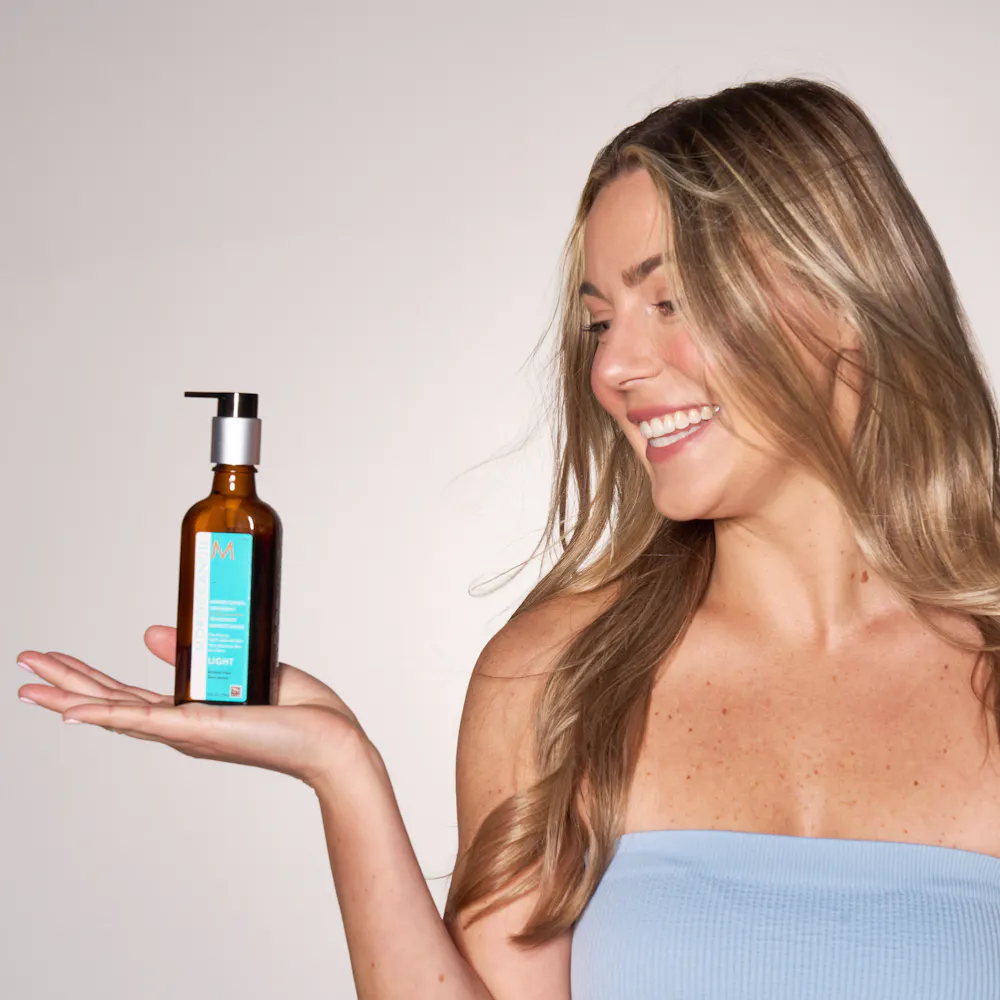
Damaged, colour-treated or chemically processed hair. Moroccanoil Original Treatment was one of the first oil-based treatments built specifically for this, and it's stayed popular because it works across a wide range of hair types while genuinely addressing damage from colour and heat. It's alcohol-free and absorbs into wet or dry hair without residue, and it also blends well into a hydrating mask if your hair needs an extra boost. If your hair has been through a lot - regular colour, bleach, heat styling - this is a sensible everyday option rather than an occasional treat.
Dry, frizzy hair that needs moisture more than shine. Not every hair oil is chasing gloss first. &honey Deep Moist Hair Oil is built around honey and argan oil, and it's aimed squarely at hair that's dry, damaged or frizzy and needs real hydration rather than just a polish on top. It's lightweight enough to absorb without leaving residue, which makes it suitable for daily use if your hair is thirsty rather than simply dull. Where Moroccanoil is the broader all-rounder for damage and colour, &honey Deep Moist Hair Oil is worth reaching for specifically when moisture, not shine, is the main thing your hair is missing.
Hair that needs structural repair, not just surface shine. Olaplex No.7 Bonding Oil is doing a different job to a pure shine oil. It's built around repairing and strengthening hair that's already compromised, with heat protection up to 230°C and colour-safe credentials, so it suits anyone whose hair is breaking, over-processed, or losing its structure rather than just looking a bit dull. It's ultra-lightweight, so it works well layered under styling products without adding heaviness.
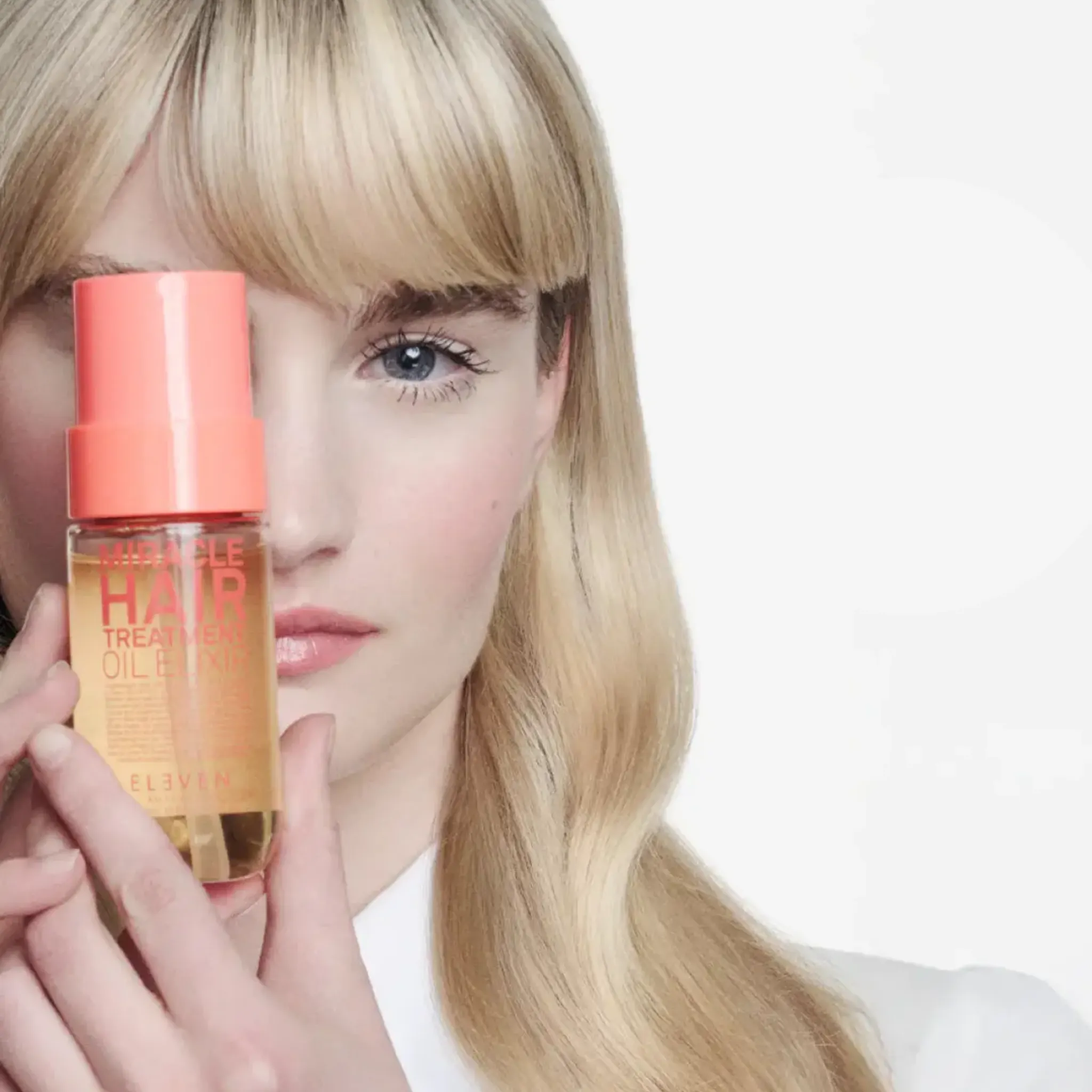
Anyone wanting a lightweight, everyday option. ELEVEN Miracle Hair Treatment Oil Elixir is designed to be used daily without building up or weighing hair down, which makes it a good pick if you want the frizz control and shine benefits of an oil but don't have a specific damage or colour concern to treat. It's a sensible middle ground between the richer treatments and the ultra-light shine drops.
Curly and coily hair. Curl patterns need moisture and definition more than they need shine alone, and Matrix A Curl Can Dream Oil is formulated for exactly that - a lightweight, silicone-free oil that finishes damp curls with separation and shine rather than clumping them together or leaving residue. Used on damp hair as the last step of styling, it helps curls hold their shape without the crunch or the grease.
How to Apply Hair Oil Without Making Your Hair Greasy
This is the part most people get wrong, and it's the reason so many people give up on hair oil after one bad experience.
Start with less than you think you need. For most oils, that's one to two drops for fine or shoulder-length hair, and no more than three to four for long or very thick hair. You can always add more. You can't take oil back out once it's on your hair.
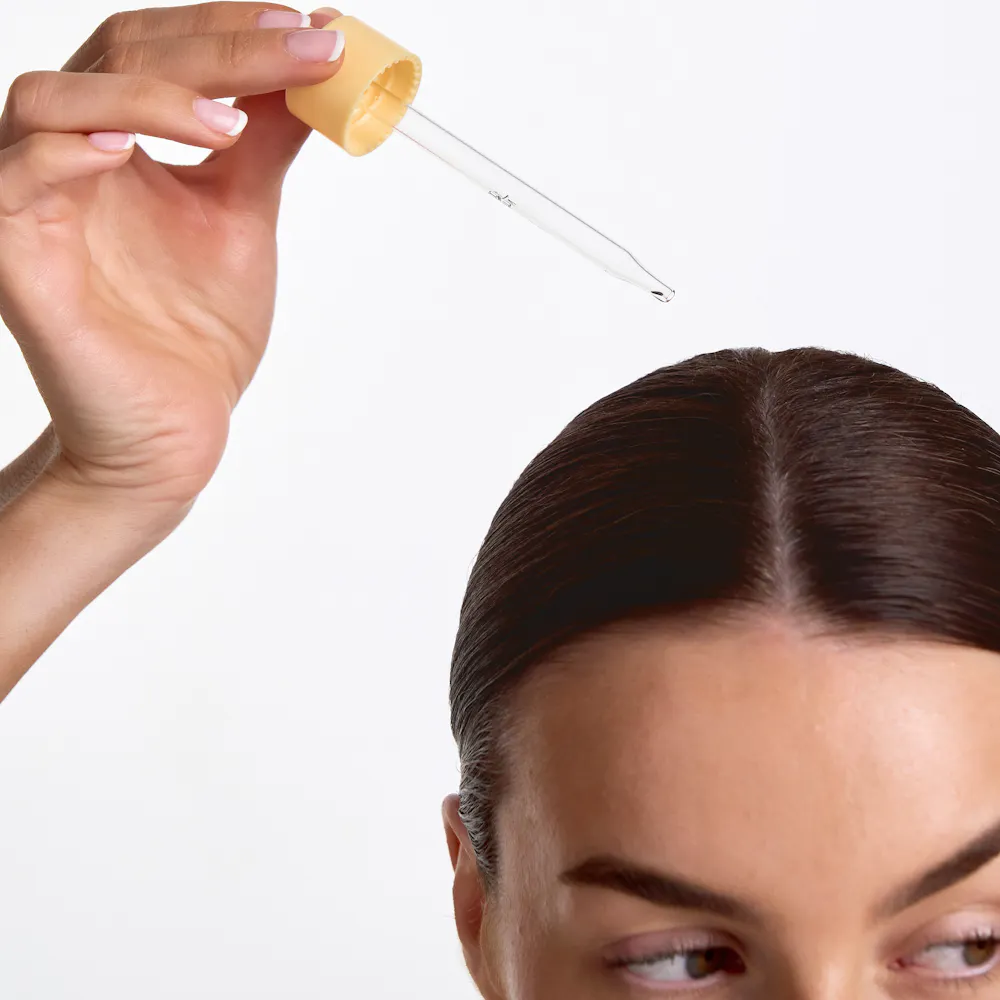
Warm it in your hands first. Rub the oil between your palms before it touches your hair. This spreads it more evenly and stops you depositing a concentrated blob in one section, which is one of the most common causes of an oily-looking patch.
Apply from mid-lengths to ends, never the roots. Your scalp already produces its own oil, and roots are the part of your hair closest to that oil supply. Applying product there is almost guaranteed to look greasy within a day, regardless of which oil you're using. Work the product through from about ear height downward, focusing on the ends, which are the oldest and driest part of the hair.
Match the timing to the job. If you're using oil as a pre-shampoo treatment, apply it generously to dry hair before washing and let it sit. If you're using it as a pre-styling product, apply a small amount to damp, towel-dried hair before you blow-dry or straighten - this is also when heat-protecting oils like Olaplex No.7 do their best work. If you're using it purely as a finishing touch, apply the smallest amount to dry hair once styling is done, working it through with your hands rather than a comb.
Don't layer too many products. Oil is usually the last step, not the first. If you've already applied a heavy leave-in, serum or styling cream, adding oil on top of all of that is what tips hair over into looking weighed down. Pick oil as one finishing step, not an addition to an already full routine.
Signs You're Using Too Much Hair Oil
A few tells are worth watching for, because they show up before your hair looks obviously greasy. If your part looks darker or shinier than the rest of your scalp by mid-afternoon, that's oil migrating from the mid-lengths back toward the roots, usually because too much was applied lower down and it's travelled with movement and heat. If your hair feels heavy or "wet-look" rather than glossy, you've likely applied too much for your hair's thickness or reached for a formula that's too rich for fine strands. And if you need to wash your hair a day earlier than usual after using an oil, that's a reliable sign to halve the amount next time rather than switch products altogether.
The fix is almost always quantity, not the product itself. Before assuming an oil "doesn't work" for your hair, try using half as much, applied only from the ears down, on damp rather than dry hair. That single change resolves most of the greasy-looking complaints people have about hair oil.
Building Hair Oil Into Your Routine
Where an oil fits depends on what you're using it for. As a pre-wash treatment, apply generously to dry hair and leave it for twenty to thirty minutes (or overnight for a deeper treatment) before shampooing out - Moroccanoil and Olaplex No.7 both work well here for damaged or coarse hair, while &honey Deep Moist Hair Oil is a good option for hair that's simply dehydrated rather than chemically damaged. As a pre-styling product, a small amount through damp hair before heat styling helps with manageability and heat protection, which is where Elixir Ultime and Olaplex No.7 are particularly useful. As a finishing product, a drop worked through dry ends at the end of the day tidies up flyaways and restores shine - this is where the lighter formulas, Gloss Absolu Glaze Drops and ELEVEN Miracle Elixir, do their best work without the risk of overloading hair that's already styled.
There's no rule that says you need to pick only one. Plenty of people use a richer treatment oil once or twice a week and a lighter finishing oil daily. What matters is using the right one for the right moment, in the right amount.
Common Questions About Hair Oil
Can I use hair oil every day?
Yes, provided you're using a lightweight formula in a small amount and keeping it off your scalp. Richer treatment oils are better suited to a few times a week or as a pre-wash step, while lighter finishing oils like ELEVEN Miracle Elixir or Gloss Absolu Glaze Drops are designed for daily use.
Should I apply hair oil to wet or dry hair?
Both have a place. Applying to damp hair before styling helps with manageability, heat protection and drying time. Applying to dry hair is better for a quick shine fix or smoothing flyaways later in the day. What you should avoid is applying a heavy amount to already-dry, already-styled hair, since that's when it's most likely to look greasy rather than glossy.
Will hair oil make my fine hair look flat?
It can, if you use too much or the wrong formula. Fine hair generally does better with a lightweight drop-style oil, like Gloss Absolu Glaze Drops, applied sparingly through the ends only. If your hair is fine and prone to oiliness at the roots, keep application well away from the scalp and start with a single drop.
How much hair oil should I use for long hair versus short hair?
As a rough guide, one to two drops suits short to shoulder-length hair, two to three suits mid-length, and three to four suits hair past the shoulders or very thick hair. These are starting points, not fixed rules - hair thickness and porosity matter more than length alone, so it's worth adjusting up or down over your first few uses rather than sticking to a set amount.
categories
featured products